December 3, 2025
Choosing the right fencing for your property is crucial for various reasons, encompassing aesthetics, functionality, and cost. Fences can significantly enhance the curb appeal of your home, making it vital to choose a design that complements your property’s overall aesthetic. Functionality is equally important, whether it's keeping pets safe, providing privacy, or securing your home from unwanted entry. Cost is another critical factor, with options ranging from budget-friendly to premium materials. To achieve a well-rounded decision, you must evaluate these factors carefully, considering both your current needs and potential future changes.
Identify Your Privacy Priorities
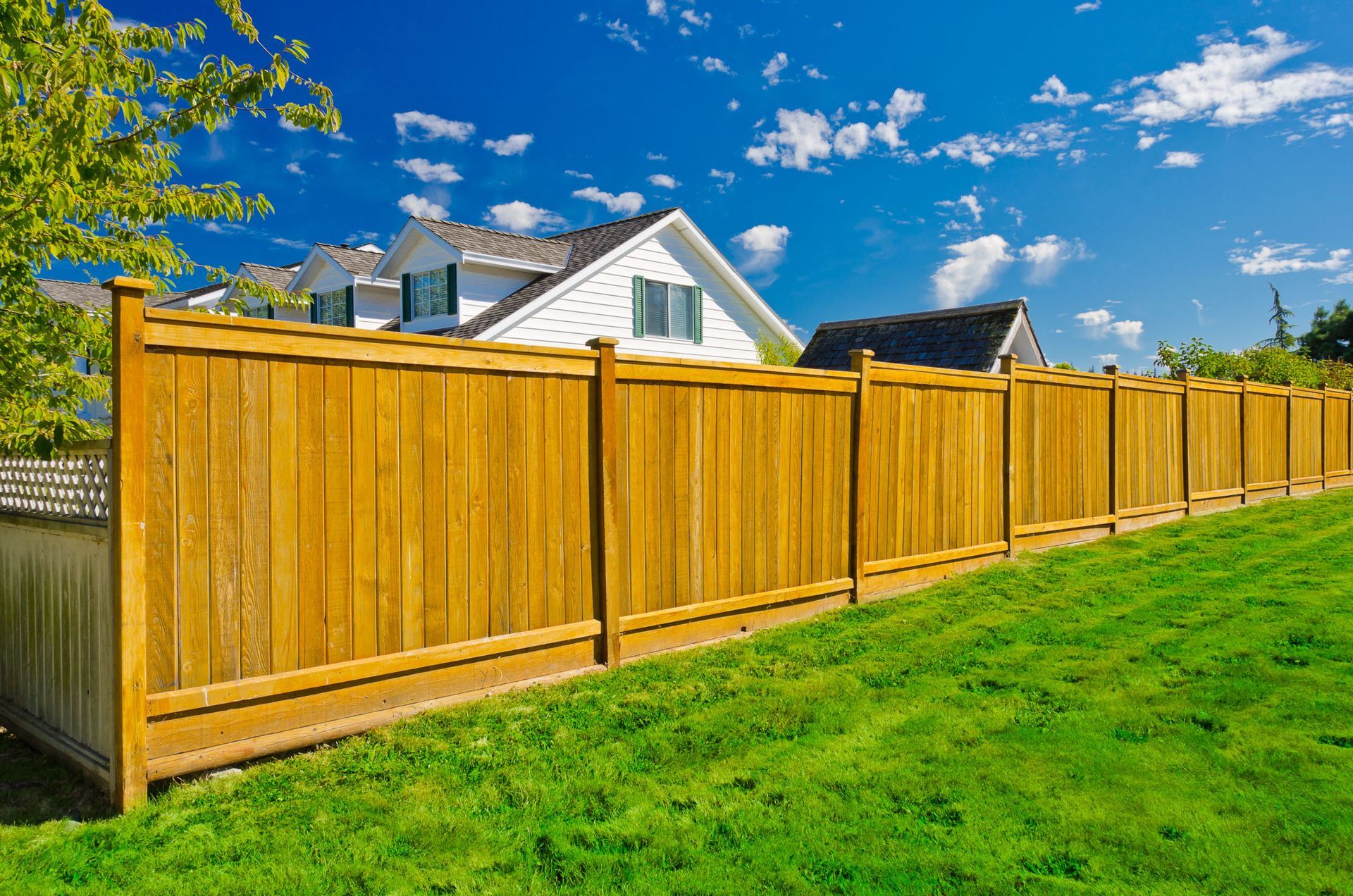
The need for privacy is a primary consideration when selecting a fence. Privacy fences are ideal for urban settings where homes are typically closer together, offering seclusion from neighbors. Materials like wood and vinyl are popular for privacy fencing because they provide a solid barrier that obstructs the view into your yard. Balancing privacy with aesthetics, some homeowners may prefer lattice or shadowbox designs that allow a bit of light through while maintaining discretion. Understanding the level of privacy you desire is essential to choosing the right kind of fence for your property.
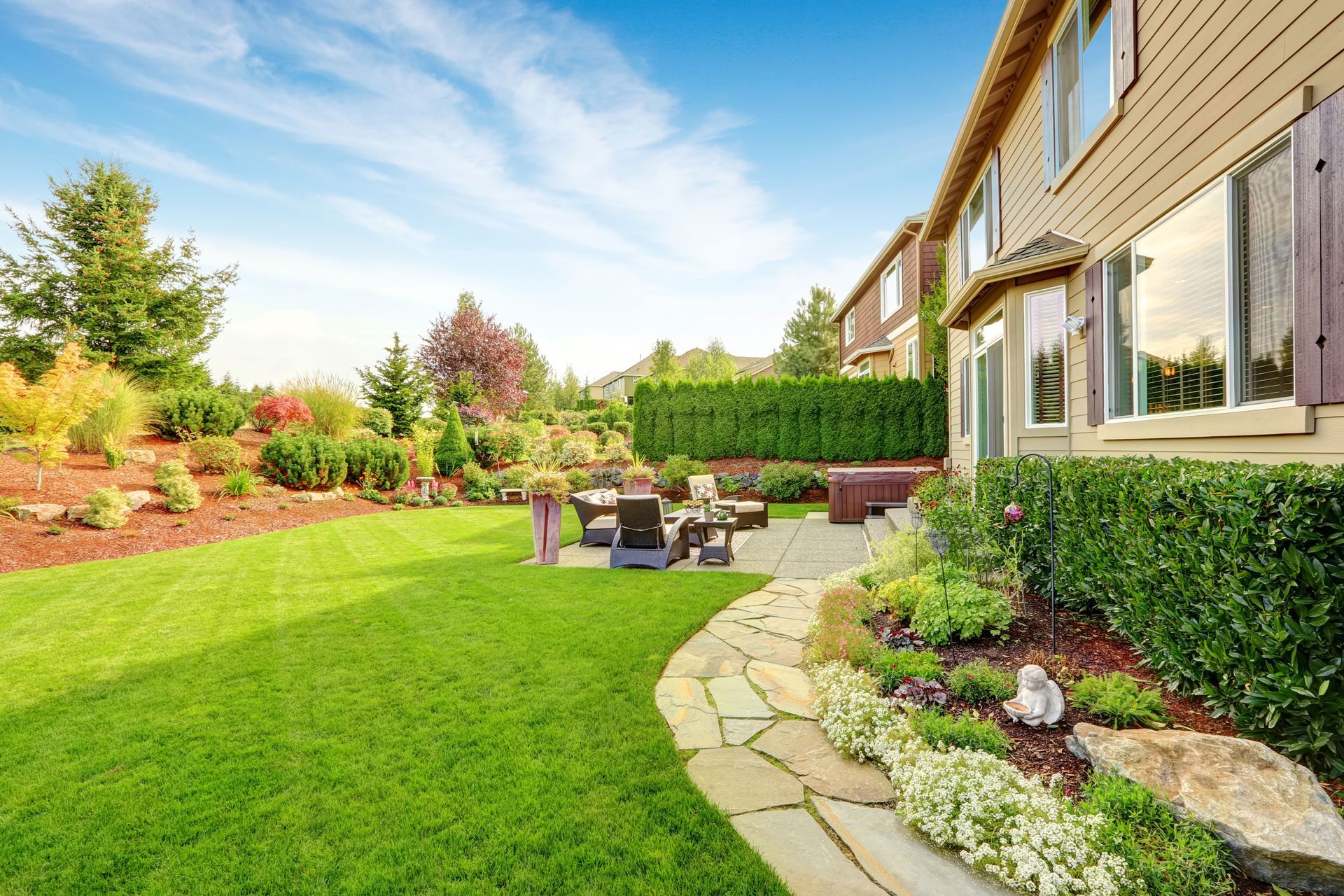
The height of your fence also plays a significant role in ensuring privacy. While local regulations often dictate the maximum allowable height, taller fences naturally offer greater seclusion. Combining height with materials like dense wood or opaque vinyl enhances your ability to enjoy your yard without feeling exposed. Homeowners with larger properties might consider incorporating landscaping services to plan both fencing and natural barriers for added coverage. Consulting with a professional can help determine the best layout and height for your privacy needs while adhering to legal restrictions.
Cost considerations shouldn’t deter you from maintaining privacy. Although solid wood or composite fence panels might have a higher upfront cost, they are often worth the investment. According to This Old House, a well-constructed fence can last as long as 20 years, making it a long-term solution for your home’s privacy needs. Maintenance is an important aspect—opting for treatments or weather-resistant materials can help in reducing long-term maintenance costs. Budget-conscious homeowners might explore mixed-material fences, combining wood with less expensive materials to achieve privacy without overspending.
Strengthen Your Property’s Security
Security is another critical factor to contemplate when deciding on a fence. A secure fence should deter intruders while blending with the home's design. Materials like wrought iron are known for their strength, providing a formidable barrier that discourages trespassers. Wooden fences with pointed tops also enhance security by making it difficult to climb over. Understanding the specific security challenges of your area will guide you in selecting the most effective fencing for protection.
Proper installation is vital to a secure fence. Even the most robust materials won't provide adequate security if not installed correctly. Hiring a professional fencing contractor ensures that your fence is securely anchored and meets all safety standards. Experts from landscaping services can offer insights on how to integrate security features with aesthetic appeal. Additionally, combining fences with other deterrents, like security lighting or alarm systems, can significantly enhance your property's overall security.
Your fence's height and design can also contribute to its security effectiveness. Taller fences naturally present a physical barrier that can deter potential intruders. However, certain designs, such as those with narrow, vertical slats, can prevent anyone from gaining a foothold to climb. Incorporating these design features can increase the effectiveness of your fence as a security measure. Property owners might also explore heightened visibility with their design to allow for neighborhood watchfulness, supporting community-based security efforts.
Balance Cost With Long-Term Durability
Balancing cost and durability is integral to selecting the right fence for your property. Different materials vary widely in terms of price and lifespan, influencing your initial investment and ongoing maintenance expenses. Metal options, such as aluminum, while typically more expensive, often provide a longer lifespan. Evaluating how much you're willing to invest upfront and what you anticipate for maintenance will inform your decision-making process.
The longevity of a fence is a critical consideration for property owners. Wood requires regular treatments to remain weather-resistant, whereas metal needs less frequent maintenance. Over time, these upfront considerations can result in significant savings, preventing frequent replacements or repairs. Investing in high-quality materials can reduce the total cost of ownership by extending the fence's useful life.
Considering local climate conditions can also influence durability. In areas prone to heavy rain or snow, materials that resist rust or rot are essential choices. For example, metal or treated wood can withstand these elements better than their untreated counterparts. Professional landscaping services can offer advice tailored to your climate, suggesting ideal materials and design adaptations for durability. Weighing these environmental factors alongside cost considerations ensures a practical and financially sound decision.
Navigate Legal and Zoning Requirements
Legal and zoning requirements are essential aspects to consider when choosing a fence. Local governments often have specific rules regarding the height, placement, and type of fencing allowed in different areas. Failing to comply with these regulations can result in fines or the removal of non-compliant fencing, leading to unexpected expenses. Before installation, it’s crucial to research your area’s zoning laws and obtain any necessary permits. Consulting with professionals can help navigate these complexities, ensuring that your fencing project begins on a solid legal footing.
Homeowners' associations (HOAs) may also impose additional restrictions on fencing. These guidelines often dictate materials, colors, and styles to maintain aesthetic harmony within the community. Understanding these requirements can prevent potential disputes with the HOA or neighbors, smoothing the approval process for your fencing project. Seeking counsel from landscaping services familiar with HOA regulations can streamline the planning phase, ensuring your design aligns with community standards. Compliance with both local and neighborhood rules guarantees a smoother installation without interruptions.
Consideration of legal and zoning requirements extends to property boundaries and easements. Accurate boundary definitions are essential to prevent installation on a neighbor’s land, which can lead to legal conflicts. Ensuring your fence is within your property lines is a fundamental part of the planning process. It might be beneficial to involve a surveyor before construction to precisely determine boundaries. A fence that respects these limits fosters good neighbor relations and avoids potential legal entanglements.
Evaluate Environmental and Climate Factors
The climate of your area is another significant factor to assess when choosing fencing materials. Environmental conditions such as humidity, salt air, and temperature fluctuations can impact material durability and maintenance requirements. Wooden fences in humid areas may demand frequent sealing to prevent rot, while metal fences in coastal regions need coatings to guard against rust. Vinyl, resistant to moisture and pests, can be a suitable choice for wetter climates. Selecting materials that endure regional weather can mitigate long-term maintenance needs.
Wildlife and natural resources can also dictate fencing choices. In rural areas, animal activity may necessitate more robust fencing to withstand pressure from larger wildlife. Some property owners incorporate electric fencing or use pressure-treated wood for durability against animal interaction. Furthermore, environmentally conscious homeowners might choose sustainable materials like bamboo, which can regenerate quickly. Consulting landscaping services will assist in understanding your local ecosystem and selecting materials that coexist with natural surroundings.
Choosing the right fencing for your property involves a careful balance of various factors, including privacy, security, cost, legal regulations, and environmental considerations. While privacy concerns might necessitate taller, opaque materials, security demands could lead you towards sturdy metals; thus, evaluating your specific needs is central to making an informed decision. The longevity and durability of materials should be weighed against costs, as investing upfront can lead to longer-lasting results. Remember, professional landscaping services can be pivotal in navigating these choices, offering expertise that ensures the best fit for your property and lifestyle. For fencing and landscaping services, reach out to New Image Landscaping - Landscaping & Supplies today.