February 3, 2026
Designing an outdoor space is more than selecting plants or adding decorative features; it's about creating a harmonious environment that balances beauty, functionality, and long-term sustainability. Every landscape tells a story, reflecting the homeowner's style, needs, and connection to the natural surroundings. Thoughtful planning ensures that the space is both enjoyable and practical, offering areas for relaxation, recreation, and entertainment while supporting the health of the plants and soil. A well-designed landscape by an experienced landscaping service maximizes the potential of the property, creating outdoor rooms that flow naturally from the home and into the garden, encouraging extended use of outdoor spaces in all seasons.
1. Thoughtful Plant Selection and Layout
Plant selection is one of the most crucial aspects of successful landscape design by a quality landscaping service. Selecting species that are well-suited to local climate, soil conditions, and light availability ensures healthy growth and minimizes ongoing maintenance. Each plant should be evaluated for its size at maturity, water needs, and seasonal characteristics to ensure a harmonious and sustainable garden. By considering these factors, designers can prevent overcrowding, reduce pruning requirements, and avoid potential conflicts between different species over time. Thoughtful plant arrangement also ensures visual balance and enhances the natural rhythm of the landscape.
Strategic layout adds layers and depth to a yard. For instance, shrubs add mid-height texture, and trees create vertical interest and shade. Layering also encourages biodiversity, supporting local wildlife while creating a self-sustaining ecosystem. Thoughtfully grouping plants by their water and sunlight requirements improves survival rates and reduces resource waste. Additionally, spacing plants properly allows for air circulation, which helps prevent disease and promotes overall plant health. This level of planning ensures that a landscape remains vibrant, resilient, and visually appealing for years.
2. Defined Hardscape Features
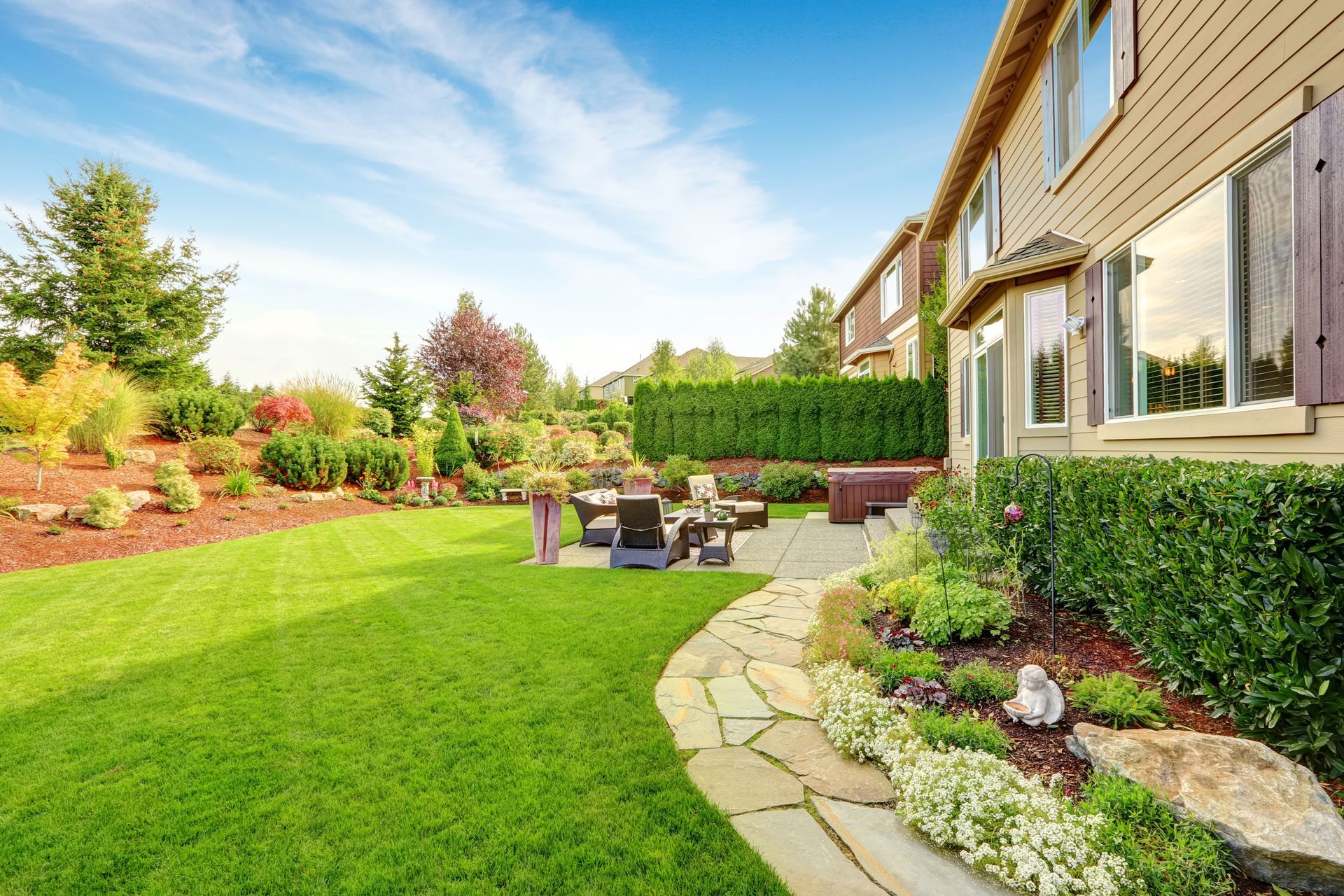
Well-placed hardscape features bring structure, accessibility, and durability to landscape design. Elements such as patios, pathways, retaining walls, pergolas, and seating areas create functional spaces while also enhancing the overall visual composition. By establishing defined zones, hardscaping clarifies areas for dining, entertaining, walking, and relaxation, making the outdoor space more versatile and organized. Properly designed hardscape features also contribute to better drainage and soil management, preventing erosion and water pooling that could harm plants or structural elements.
Hardscape design also supports year-round usability and comfort. Shaded pergolas, seating walls, and multi-level patios allow homeowners to enjoy the outdoor space regardless of weather conditions. Combining functional and aesthetic considerations ensures that every hardscape element contributes to a cohesive, accessible, and visually pleasing environment. By thoughtfully integrating hardscape features, landscape design achieves both beauty and practicality, creating a dynamic outdoor living experience that is both safe and inviting.
3. Cohesive Color and Texture Planning
Color and texture are fundamental to creating engaging and harmonious landscapes. Coordinated color palettes help unify diverse plantings, hardscape materials, and decorative elements, producing a visually pleasing environment that feels intentional and cohesive. Thoughtful color choices can evoke emotions, set moods, and highlight key areas within the garden. For instance, warm-toned flowers can create energy and vibrancy, while cool-toned foliage promotes relaxation and calm. Integrating colors strategically can also emphasize the natural beauty of hardscape features or accentuate seasonal transitions.
Planning for year-round interest also involves selecting plants with staggered bloom times, changing leaf colors, and varying forms. This approach ensures that the landscape remains vibrant and engaging even as seasons shift. Incorporating complementary colors into hardscape materials, planters, and garden accessories further enhances cohesion. By thoughtfully considering both color and texture, landscape design becomes a multi-sensory experience that captivates, inspires, and invites extended use.
4. Purpose-Driven Outdoor Living Areas
Functional outdoor living spaces are a cornerstone of effective landscape design. Features such as seating areas, dining zones, fire pits, and play areas transform yards into active and enjoyable extensions of the home. When these spaces are carefully planned, they provide comfort, accessibility, and flexibility, accommodating daily life, social gatherings, and seasonal celebrations. Each functional area should be designed to harmonize with the overall landscape while offering practical benefits, such as shade, seating, or easy movement between zones.
Lighting, heating, and weatherproofing also play a significant role in outdoor living design. Strategically placed lights extend usability into evening hours, while heaters or fire features allow comfort during cooler months. Incorporating these elements with the help of your landscaping service ensures the space remains inviting and functional year-round. By blending aesthetics with practicality, outdoor living areas elevate the overall experience of a landscape, encouraging use, enjoyment, and social connection.
5. Sustainable Design Considerations
Sustainability is increasingly central to modern landscape design, ensuring that outdoor spaces remain healthy, resource-efficient, and environmentally responsible. Water conservation techniques such as drip irrigation, rainwater harvesting, and efficient scheduling help reduce waste and maintain plant health. Selecting native or drought-tolerant plants further reduces reliance on supplemental irrigation, promotes biodiversity, and aligns with regional ecological conditions.
According to Jobber, the U.S. landscaping market boasts a value in excess of $150 billion, reflecting a growing emphasis on professionally designed, sustainable outdoor spaces. This market growth highlights homeowners' recognition of the value of integrating eco-conscious features into landscape design, from water-saving systems to carefully selected plantings that require less maintenance while enhancing the yard's appeal.
6. Personal Style and Custom Details
Custom features are essential for creating landscapes that feel unique and meaningful. Personalized elements, such as sculptures, garden structures, or decorative planters, allow homeowners to express individuality and cultural influences. Architectural features like pergolas, archways, or trellises add vertical interest while providing functional benefits like shade or climbing plant support. Customization by your landscaping service ensures that every landscape reflects its owner's vision and lifestyle.
Adding personal touches to outdoor living areas increases their usability and enjoyment. Custom seating arrangements, lighting, and decorative accents ensure that every part of the landscape supports interaction, relaxation, and visual appeal. Personalization transforms ordinary landscapes into engaging, memorable spaces that feel truly one-of-a-kind.
7. Long-Term Planning and Growth Management
An effective landscaping service anticipates the long-term growth and evolution of plants, trees, and built features. Considering mature plant sizes, growth rates, and seasonal changes prevents overcrowding, maintenance challenges, and aesthetic imbalance. Long-term planning allows the landscape to mature naturally, preserving structure and harmony throughout its development.
An experienced landscaping service will design with growth in mind, and also support functional use. Paths, seating areas, and garden features are strategically placed to accommodate expanding plantings, ensuring ongoing accessibility and enjoyment. By forecasting how the landscape will change over time, designers create spaces that remain visually appealing and practical without requiring extensive retrofitting.
8. Creating Visual Flow and Balance
Visual flow and balance unify all elements of a landscape, creating a cohesive and inviting outdoor space. A quality landscaping service can help you create well-designed pathways, plant groupings, and focal points that guide movement naturally, encouraging exploration while reinforcing functional zones. This flow ensures that every area of the landscape feels connected and accessible, enhancing both aesthetic appeal and usability.
Balance is achieved by thoughtfully distributing visual weight across the yard. Focal points, plant clusters, and hardscape features should complement each other rather than compete for attention. Asymmetry can be effective when managed carefully, ensuring interest without creating visual tension. Proper flow and balance enhance the sense of calm, organization, and elegance throughout the space.
Investing in a professional landscaping service allows property owners to achieve outdoor spaces that are visually stunning, highly functional, and sustainable. With careful planning, attention to detail, and the integration of both hardscape and plant elements, landscapes can be transformed into dynamic, inviting environments. To begin creating a landscape that reflects your style, maximizes usability, and stands the test of time, contact New Image Landscaping - Landscaping & Supplies today.